
Dog Toy Safety: Materials, Toxins, and Red Flags
Learn how to assess dog toys online: safer materials, what “non-toxic” means, and red flags for choking or blockage—plus a quick checklist.
A practical pet-toy-safety mindset for buying online

Buying dog toys online is convenient, but the risk is that product pages don’t always give consistent guidance on size, durability, and safe use. That’s where a simple pet-toy-safety framework helps: (1) match the toy to your dog’s body and play style, (2) confirm the materials and construction are appropriate, and (3) scan for hazards that can lead to choking or intestinal blockage. This approach supports risk-reduction without turning shopping into a research project.
Start with fit. A 45‑lb “power chewer” needs a different toy than a 10‑lb senior who gently mouths plush. Look for size ranges, chew intensity labels, and clear supervision notes—especially for puppies, persistent shredders, and multi-dog homes. Stores that apply structured guidance (like PawFit Toy Shop’s fit-based merchandising and reordering) can reduce wrong purchases and make repeat buys safer by keeping you aligned to what already worked for your pet’s needs and dog-health.
Materials and toxins: what “non-toxic” really means
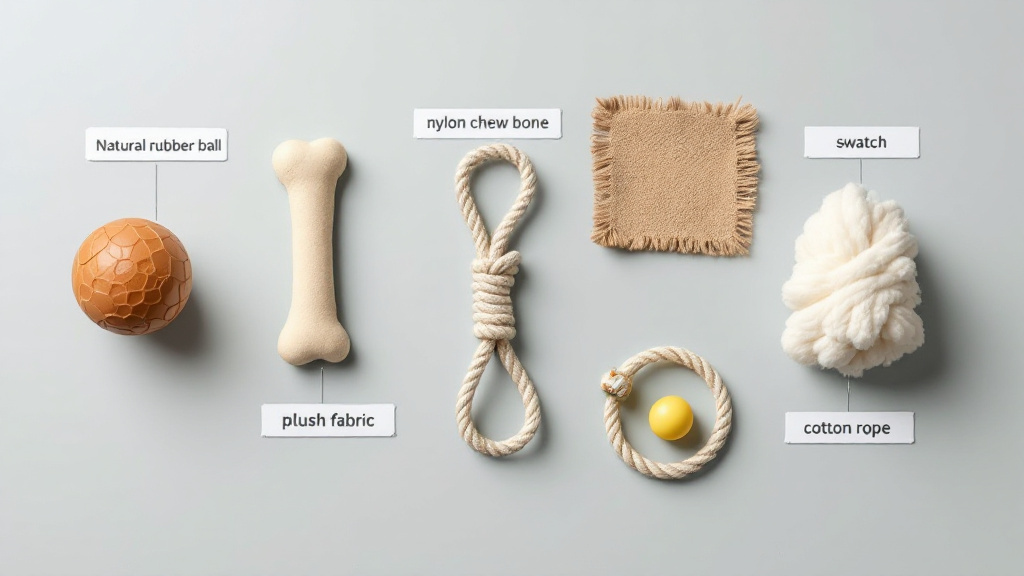
When evaluating materials, focus on what the toy is made of and what it’s likely to shed when chewed. Common options include natural rubber, synthetic rubber (TPR), nylon, polyester plush, rope/cotton blends, and thermoplastic parts (like squeakers). For dog-health, the safest choice is usually the one that stays intact the longest for your dog’s chew style—because tiny fragments and loose parts create downstream hazards.
Be cautious with vague claims like “non-toxic.” In pet-toy-safety terms, “non-toxic” often means the manufacturer intends the toy to be safe under normal use, not that it’s edible or that it meets a single universal standard. Look for specific, verifiable statements: compliance with relevant testing (e.g., CPSIA for lead/phthalates), clear dye/colorant info, and a complete materials list. Also check for odor (strong chemical smell can be a red flag), surface coatings that may flake, and soft plastics that can tear into sharp edges. These steps align with shopping-guides best practices and help with real-world risk-reduction.
Choking and blockage red flags + a product-page checklist

The most common serious hazards come from size and breakage: toys small enough to lodge in the throat, pieces that splinter (hard plastics, brittle seams), and parts that detach (eyes, squeakers, knotted rope ends). A general pet-toy-safety rule: if your dog can fit it fully behind the molars, it’s a choking risk. For power chewers, prioritize one-piece designs, reinforced seams, and thicker walls; for shredders, avoid plush with easily exposed stuffing and strings that can be swallowed.
Use this quick checklist before you click “Buy” (or reorder):
- Size guidance: weight range and dimensions shown clearly
- Durability level: matched to chew style, not just “tough” marketing
- Construction details: one-piece vs. multi-part, seam reinforcement, replaceable parts
- Safety notes: supervision, discard criteria, and cleaning/care instructions
- Materials transparency: full list, testing/compliance claims explained
- Real photos & reviews: look for chew damage patterns and recurring failures
These shopping-guides checks support risk-reduction, and they make repeat purchasing safer—especially when you can quickly reorder the same proven toy once it’s lost or worn.